

The Future of Renewable Energy in the ANZ Region
Regional Market Outlook
Renewable energy transition in the ANZ region is ramping up, driven by clear policy direction and a strong pipeline of energy and utilities projects. In Australia, large-scale solar and wind developments are central to this transition, while battery storage is becoming critical for grid stability. Long-term infrastructure investments, together with state-level initiatives in Queensland and Western Australia, are boosting private sector confidence and accelerating deployment.
In New Zealand, the government’s Net Zero commitments and regulatory reforms are creating a strong foundation for renewable energy. Solar, wind, and storage projects are drawing increasing investor interest, positioning the country as a more influential player in the regional energy transition.
Across the ANZ region, energy storage has become the foundation of long-term renewable growth. The inherent variability of solar and wind power makes large-scale batteries and distributed storage systems essential for maintaining reliability across the grid. A more resilient power network is firmly on the horizon, driven by strong public-private partnerships, strategic planning, and ongoing technological upgrades. As both countries continue to expand their infrastructure capacity, the region is moving toward a cleaner, more secure, and more scalable energy future, setting the stage for deeper policy and market developments.
Investment Opportunities
The ANZ region presents a robust investment landscape, underpinned by ambitious government commitments and large-scale funding for the clean energy transition. In Australia, a $4.6 billion climate spending package announced in Budget 2023–24, was boosted by an additional $3 billion package committed in the MYEFO 2023–24. This package is part of a multi-year allocation running through to 2029-30, supporting Australia’s transition to Net Zero by 2050, and the achievement of 2030 emission reduction targets. (Australian Government, Climate Change Policies and Programs, Feb 2024).
In New Zealand, there is a clear government led directive to achieve 100% renewable electricity generation, and Net Zero by 2050. The first emissions reduction plan (ERP) was released in 2022. The second ERP, released December 2024, outlines the framework to support the country’s clean energy transition from 2026-30. Government policies and initiatives are in place to support private investment in electricity generation and network upgrades such as the Fast-Track Approvals Act (2024), which accelerates consenting for large-scale renewable projects, including solar farms and transmission upgrades reducing regulatory barriers for investors. (https://www.legislation.govt.nz/act/public/2024/0056/latest/LMS943195.html)
With major funding across ANZ directed toward grid upgrades, hydrogen development, industrial decarbonization, and clean technology manufacturing, supported further by green bonds and CEFC (Clean Energy Finance Corporation) backed financing, the region is establishing itself as one of the most attractive renewable energy investment markets globally. Government incentives, concessional financing, and green bonds programs provide a stable platform for investors across utility-scale renewable energy, battery storage, and electrification projects.
Policy & Regulatory Framework
Australia and New Zealand are both advancing a comprehensive climate policy approach centered on clear net-zero targets, strengthened emission-reduction rules, and expanding green finance standards.
Australia supports this through major investments in grid modernization, renewable energy zones, and energy efficiency, while New Zealand applies long-term emission planning and economy-wide reduction measures. Together, these frameworks provide policy certainly, lower investment risk, and strengthen the role of renewables, energy storage, and green finance as cornerstones of the ANZ region’s decarbonization strategy.
Both countries complement their domestic efforts with active international cooperation, reinforcing long-term alignment with global climate goals, and supporting continued growth in renewable energy and storage.
Conclusion – INTEC’s Positioning and Contribution
With a strong track record, we continue to leverage our global partnerships across all service areas spanning project development, EPC, BESS, O&M, and engineering solutions, driving projects forward through each phase of the contract cycle.
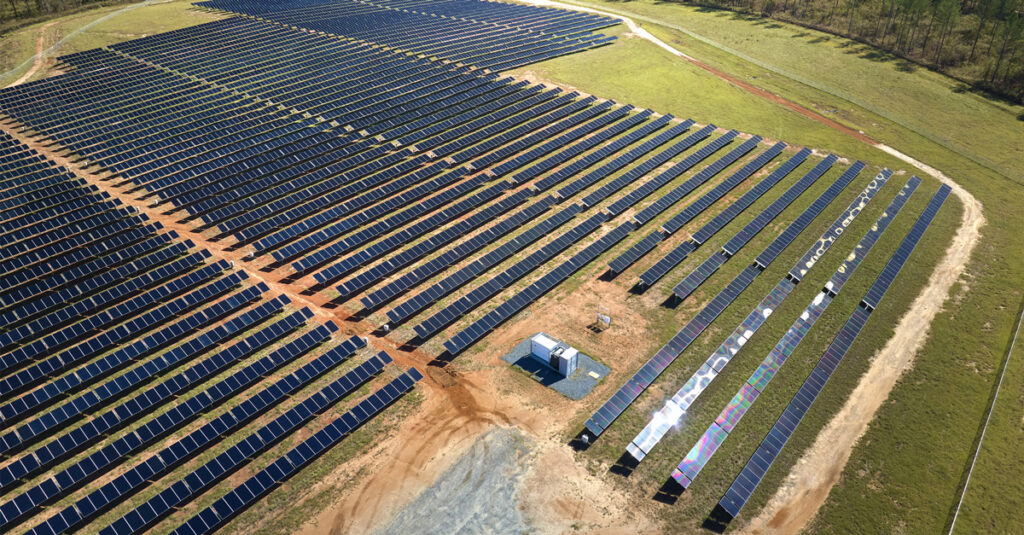
INTEC integrated solar and storage project developments are nearing completion in the region. These include a 642 MWh BESS project, and ground mounted PV solar projects at 168 MWp and 30.70 MWp respectively. INTEC is providing renewable energy solutions that are actively contributing to ANZ’s clean energy future. With a strong pipeline of projects, INTEC is not just participating in the ANZ renewable energy market; we’re shaping its future.
Our expertise in project development, reliable execution, and trusted partnerships positions us as a key contributor to the region’s energy transition, and we’re set to deliver more integrated PV–BESS projects that will help fast-track the region’s renewable energy transition.