

Navigating ESG Risks and BESS Technologies: A Modern Approach
In today’s rapidly evolving business landscape, Environmental, Social, and Governance (ESG) risks have become a critical focus for companies worldwide. Coupled with advancements in Battery Energy Storage Systems (BESS) technologies, organizations are navigating a complex web of regulations and standards to ensure sustainable and responsible operations.
Understanding ESG Risks
ESG risks encompass a broad range of factors that can impact a company’s reputation, financial performance, and operational stability. These risks are categorized into three main areas:
Environmental Risks
These include climate change, greenhouse gas emissions, water security, waste management, pollution, deforestation, and biodiversity loss.
Social Risks
Factors such as inequality, diversity and inclusion, employee relations, health and safety, and working conditions fall under this category.
Governance Risks
This area involves executive remuneration, board diversity and structure, political lobbying, and policies related to bribery and corruption.
Managing ESG risks effectively requires a comprehensive approach that integrates risk identification, assessment, and mitigation strategies. Companies are increasingly adopting frameworks such as the International Financial Reporting Standards (IFRS), Sustainability Disclosure Standards, and the Global Reporting Initiative (GRI) to guide their ESG reporting and compliance efforts.
The Role of BESS Technologies
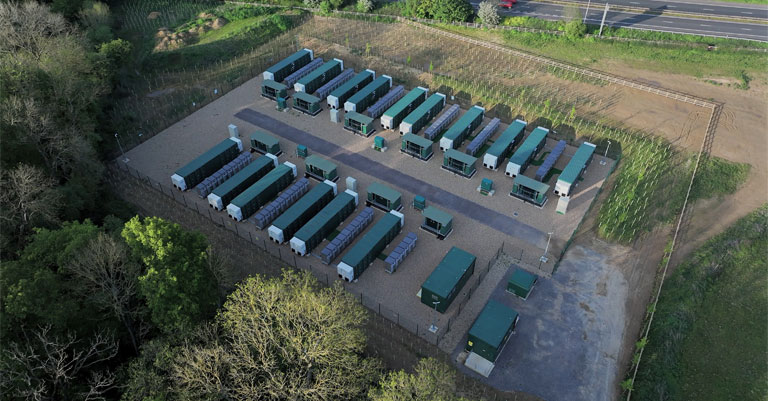
Battery Energy Storage Systems (BESS) play a pivotal role in the transition to sustainable energy solutions. These technologies enable the storage of electrical energy generated from renewable sources, such as solar power, ensuring consistent availability and enhanced grid stability.
Key benefits of BESS include
- Renewable Energy Integration:
BESS stores surplus energy generated from renewable sources and releases it when demand exceeds production.
- Grid Stabilization:
By absorbing excess power and dispatching it during periods of high demand, BESS helps reduce power outages and ensures a steady electricity supply.
- Reduced Emissions:
BESS minimizes greenhouse gas emissions by reducing reliance on inefficient peaked plants.
- Backup Power:
BESS provides reliable backup power during outages, enhancing overall energy resilience.
Compliance with International Standards
To navigate the complexities of ESG risks and BESS technologies, companies must adhere to international standards and regulatory frameworks. Organizations such as the International Finance Corporation (IFC) and the European Bank for Reconstruction and Development (EBRD) provide comprehensive guidelines to support sustainable practices.
IFC Performance Standards:
These standards offer guidance on identifying, managing, and mitigating environmental and social risks. They emphasize stakeholder engagement, transparency, and sustainable business practices.
EBRD Environmental and Social Policy:
The EBRD’s policy outlines requirements for environmental and social impact assessments, promoting sustainable development and responsible investment.
As ESG risks and BESS technologies continue to shape the future of sustainable business, companies must remain informed and compliant with evolving regulations and standards. By integrating robust ESG risk management practices and leveraging BESS technologies, organizations can achieve greater sustainability, resilience, and long-term success.
Navigating this landscape requires a proactive approach, continuous learning, and a strong commitment to responsible practices. Embracing these principles not only mitigates risks but also drives positive change and innovation in the global business environment.